
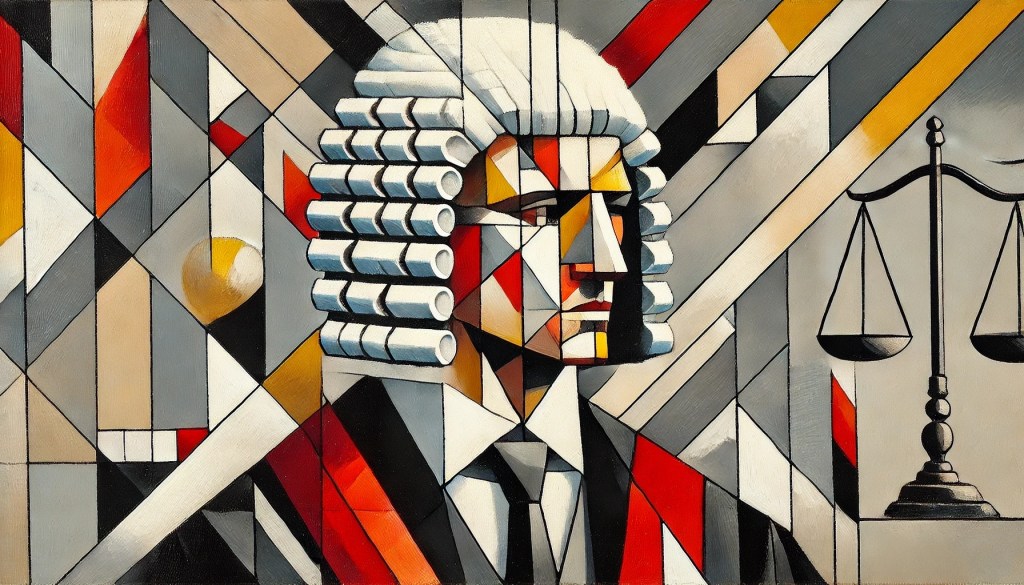
Although some argue there isn’t a distinct field called “art law,” art is property—and property is governed by the law. This means that both general and specialized legal rules apply to creating, owning, and trading art, as well as managing broader cultural heritage issues.
For instance, commercial matters come into play, such as handling contracts for art sales, following regulations on international trade, protecting artists’ intellectual property, and dealing with insurance or even the commercialization of artworks. Professionals in the art market, like auctioneers and second-hand dealers, also face rules on anti-money laundering and artist and consumer rights.
On a more personal level, art law covers topics like preserving an artist’s legacy, managing estates, and even sorting out who gets the Picassos during a divorce.
And when disputes arise—whether it’s civil litigation, art theft, forgery, or even national debates over significant artworks—the law is there to help resolve them.
As art continues to push social boundaries, new legal challenges emerge alongside evolving technology and shifting cultural norms, constantly reshaping how art is created, owned, traded, valued, and defined.
Why Choose GCA Lawyers for Art Law?
Art law practitioners provide essential guidance to their clients as they seek to navigate these issues.
At GCA Lawyers, we combine our understanding of art law with extensive experience in solving complex and unusual problems. Whether you are an artist seeking to protect your rights; a collector buying or selling art; an art market professional looking to navigate the challenges of juggling one or both ends of a transaction while complying with your regulatory obligations; or an institution dealing with cultural heritage issues, our team is equipped to provide expert legal guidance and is committed to safeguarding your interests, making us your trusted partner in all art law matters.
The information on this website is general in nature and may not be up to date. It is not intended as legal advice for any specific situation or person and should not be relied on for that purpose. You should always seek up to date legal advice for your specific situation.
Contact us to find out more.
 Lawof.Art
Leave a comment